Friday, January 25, 2019

Ram Wings (Rosemary, Ancho, Molasses Glazed Chicken Wings) – Acronymically Delicious

Overly contrived recipes are usually a bad idea, but these rosemary, ancho, and molasses glazed chicken wings really did come out very well, despite the fact that those ingredients were only chosen because they spelled out the word, “ram.” 

In case you’re not from around here, there's a big football game coming up, and the Los Angeles Rams are one of the teams involved. The other team shall not be named.

In addition to serving as this year's Super Bowl snack idea video, it’s also a great tutorial for the easiest of all chicken wing methods, and that would be the crowd pleasing, finger-messing “sticky wings.” The technique simply involves soaking them in a sweet, spicy marinade, baking them wet, and then tossing them with a finishing glaze.

That’s all there is to it, and this method will work no matter which spices, or sweeteners you go with. The sky’s the limits, and it just depending on what you like, and/or what you want to spell out. No matter what goes into yours, I really do hope you give them a try soon. Enjoy!


Ingredients for 4 large portions:
2 1/2 pounds chicken wing sections
2 teaspoons vegetable oil
3 teaspoons kosher salt
1 tablespoon finely minced rosemary
2 or 3 tablespoons ground ancho chili powder, or other chili powder*
1/2 teaspoon cayenne
3 tablespoons white distilled vinegar
1 or 2 tablespoons molasses (can substitute maple syrup, honey, or brown sugar)
- Bake at 400 F. for 45 minutes or until the bones come out clean

For the finishing glaze (use a clean bowl):
2 teaspoons molasses
1 tablespoon honey
1 teaspoon ancho chili powder
pinch of cayenne
pinch of salt
1 fresh juiced lime

* If you can't find ancho chili powder, you can use 4 parts paprika mixed with 1 part ground chipotle.
-->

Tuesday, January 22, 2019

Tuscan Onion Soup (Carabaccia) – French Onion Soup Before It Was French

I’ve wanted to make carabaccia ever since I found out it was the ancient ancestor of French onion soup. Not only is that an interesting fact, but it’s also a great addition to your dinner party conversation repertoire, especially where there are French chefs involved.

Okay, now let’s talk cinnamon. The safe play is to not add any, and live happily ever after. However, in very, very small amounts, it really does add a mysterious, wonderfully warming background note that you actually might enjoy. There’s only one way to find out, but please proceed with caution. Too much will render the soup inedible, and there’s really no way to know what “too much” is.

As I mentioned in the video, if you want to cut down on the stirring, you can cook the onions in a roasting pan. Just pop them in a 325 F. oven until they’re done, stirring a few times along the way. How long exactly is anyone’s guess, but just like the stove-top method, take your time, and wait until they are very soft.

So, whether you’re a culinary history buff like me, and want to taste what French onion soup tasted like 500 years ago, or it’s freezing outside, and a steaming bowl of something delicious sounds good, or both, I really do hope you give this a try soon. Enjoy!


Ingredients for 6 Portions:
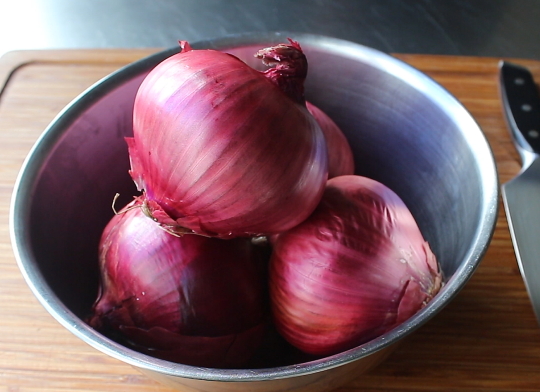
4 pounds red onions, sliced
2 tablespoons olive oil
1 tablespoon kosher salt
3 sage leaves, plus more for toast
1/4 cup finely ground almonds
very tiny pinch of cinnamon*
3 tablespoons red wine vinegar, or to taste
5-6 cups beef, chicken, or vegetable broth
freshly ground black pepper
freshly grated pecorino or parmesan cheese

For the toast:
3 thick slices Italian bread, halved
dress with olive oil, sage and grated Pecorino or Parmigiano-Reggiano cheese
- Toast in a 400 F. oven for 15 minutes or until browned.

* While traditional, many people don’t enjoy the effect cinnamon has on the sweetness of the soup, so you may want to omit it, or add an extremely small amount, and then adjust from there. You can also make the soup without any, and then experiment by adding a trace amount to a small sample cup, and see what you think.
-->

Friday, January 18, 2019

Beef Rendang and the Case of the Invisible Sauce

Don’t think of this amazing Indonesian beef curry as not having a sauce, think of it as not needing a sauce. By the way, it has a sauce – you just can’t see it. Flavorless water evaporates when you reduce a pan sauce, like we’re doing here, but fat doesn’t, nor does flavor, which is what makes this such a unique, and deliciously addictive dish.

Originally the recipe was developed as a way to preserve meat in hot and humid Indonesia, which is why it was cooked until dry. The lack of moisture, along with all these naturally antimicrobial ingredients meant you could keep this around for weeks without it spoiling, and apparently people enjoyed the taste and texture so much, they continued making it this way long after refrigeration was available.

Having said that, if you do want some sauce to serve with it, simply add more water during the cooking, or cover for part of the time, and you’ll be all set. Which reminds me, if you do cook this the day before, as recommended, you’ll want to add a big splash the water to the pan when you reheat it. Add some water, cover it, and when you think it’s heated through, uncover, crank the heat, and cook until it reaches your desired degree of dryness.

The ingredient list below does contain a few semi-exotic items, so I’ve added what to substitute with in parentheses, but all in all most of these things should not be that hard to find, especially online. But whether you make a few substitutions or not, I really do hope you give this intensely flavorful, and invisibly-sauced beef rendang a try soon. Enjoy!


Ingredients for 4 large portions Beef Rendang:
4 shallots, sliced (or red onion)
6 garlic cloves
1.5 inch piece fresh ginger, peeled, sliced
1.5 inch piece galangal (or ginger)
1 Fresno red chili pepper
2 Serrano chili pepper
1 tablespoon kosher salt, plus more to taste
1 or 2 tablespoons red chili flakes, depending on desired heat
1 teaspoon ground coriander
1/2 teaspoon ground turmeric
1/8 teaspoon ground cardamom
1/8 teaspoon nutmeg
2 tablespoons vegetable oil
2 1/2 pounds beef chuck, cut in 2-inch pieces
1/2 stalk lemongrass, lighter part, bruised with back of knife
1 can coconut milk
1 generous tablespoon brown sugar
2 teaspoons tamarind paste (or zest from a lime and lemon, plus juice from 1 lime)
steamed rice for service, garnished with cilantro and lime if desired
-->

Tuesday, January 15, 2019

Folded Pork Cutlets – Layers of Flavor, Literally

I thought I’d seen all there was to see when it came to pan-fried pork cutlets, but then I saw something called Katsu “Mille-Feuille,” and I realized I hadn’t seen anything yet. Okay, I’m being a little dramatic, but I really loved the unusual look and feel, as well as the internal flavoring opportunities the multi-layer technique provides.

Besides figuring out what to flavor yours with, the other main challenge is deciding how long to cook them. The 4 to 5 minute time I gave is just a guess, since it depends on the thickness of, and fillings in, your cutlet. Although the folding and cheese inside will help keep things moist, pork tenderloin can dry out, so I don’t recommend going past 145 F. internal temp.

However, the problem with testing by poking it with a thermometer is that you’ll have hot juices spurting out, which would be a shame. This is why I like to go with the poke test, and when it springs back enthusiastically, it’s usually done. Also, a few minutes of resting time will help even out the heat, and moisture, but by the time you add your sides, and get to the table, you should be fine.

As I mentioned in the video, this method screams for personalization, and I look forward to seeing what you come up with. Whatever that may be, I really do hope you give it a try soon. Enjoy!


Ingredients for 2 Portions:
1 trimmed pork tenderloin, split in half lengthwise
salt, freshly ground black pepper, and cayenne to taste
4 teaspoons Dijon mustard
2 ounces grated cheese, or as needed
2 tablespoons freshly chopped Italian parsley
For the breading:
enough all-purpose flour to coat
beaten egg
panko, or regular plain breadcrumbs
olive oil for frying (at least 1/4 inch of oil in the pan is recommended)
-->