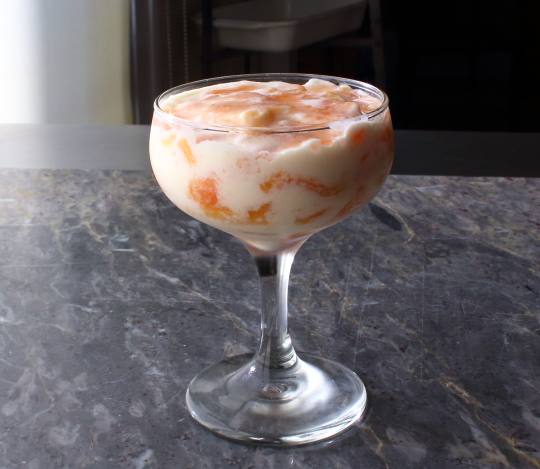
And, as always, enjoy! If you want more information about why the blog format has changed, and why we're now offering complete written recipes, please read all about that here.
And, as always, enjoy! If you want more information about why the blog format has changed, and why we're now offering complete written recipes, please read all about that here.
And, as always, enjoy! If you want more information about why the blog format has changed, and why we're now offering complete written recipes, please read all about that here.
And, as always, enjoy! If you want more information about why the blog format has changed, and why we're now offering complete written recipes, please read all about that here.
And, as always, enjoy! If you want more information about why the blog format has changed, and why we're now offering complete written recipes, please read all about that here.
It sounds odd to say that a recipe’s biggest problem is that
it looks too good, but that’s sort of the case with this pear clafoutis.
Through no fault of its own, this crust-less, custard fruit tart looks a lot
sweeter, and richer than it actually is. So, please be sure to adjust yours and
your guest’s taste buds accordingly. Of course, you can make this sweeter, with
more sugar, or richer, with some cream instead of all milk, but there’s
something to be said for those rare recipes that I would describe as, “just
sweet enough.”
Which reminds me, be sure to taste whatever fruit you’re
using for sweetness, since you may want to adjust the sugar level based on
that. Another key, especially if you’re using pears, or apples, is to make sure
you slice them thin; otherwise they will not cook through by the time your
custard is cooked.
As I mentioned you could cook the fruit first, but I’ll
leave that up to you. If you use the traditional cherries, or something like
tender juicy berries, this will actually cook faster than the time is given
here, so I’d start checking for doneness after about 25 to 30 minutes. Speaking
of different fruits, apparently if we don’t use cherries, this is referred to
as a “flognarde,” which I’ll never get tired of saying. Hilarious names aside,
I really hope you give this a try soon. Enjoy!
Ingredients for 8 portions:
(The baking dish I used was 10-inch wide)
2 tablespoons soft unsalted butter, divided (one for pan ,
one for top)
3 generous cups thinly sliced sweet, ripe pears
1/2 cup lightly toasted sliced almonds
For the batter:
3 large eggs
1/3 to 1/2 cup granulated sugar depending on fruit’s
sweetness
1 1/4 cup whole milk
1/4 teaspoon fine salt
pinch freshly grated nutmeg
1 1/2 teaspoon vanilla extract
1/2 teaspoon almond extract
2/3 cup all-purpose flour
- Bake at 350 F. for about 45 minutes, or until fruit is
soft, and custard is cooked.
When people grow cherry tomatoes for the first time, they
often make the mistake of planting more than one or two bushes, which a few
short months later usually means a ridiculously large harvest, as in more
cherry tomatoes than you can possibly use. Well, this cherry tomato and cheese
galette might help, a little.
While “galette” sounds a little fancy, they’re actually one
of the easier type of pies to make, and above and beyond the simple technique,
they are incredibly adaptable to whatever is in season. Whether that’s sweet
fruit, or savory vegetables, there are very few things you can’t galette.
Just be sure to bake them long enough, since the bottom
needs to brown, as well as you want whatever filling you’re using to dry out a
bit. Your oven time will vary depending on the exact size and shape of your
galette, so once you take it out, peak underneath to make sure it’s browned. Basically,
you should bake this as long as you possibly can, without it burning, so be
brave.
This will also work with larger, sliced tomatoes, but just
be careful you let them drain on some towels first. Other than that, there’s
not much else to worry about, except what to do with those other 5 pints of
cherry tomatoes. Even if you have to go to the store to buy yours, I think this
is well worth the trip, and I really do hope you give this cherry tomato
galette a try soon. Enjoy!
Ingredients for one 12-inch pizza pan sized galette:
I’ve never been to Baltimore, so I can’t comment on the
current state of affairs, but what I can tell you is that this easy to make,
yeast-based “cake” really is amazing, and would have been even more so with a
few minor tweaks. I was afraid of it coming out too dry, so I went with a very
wet dough, and also didn’t bake it quite as long as I could have, but these are
easy fixes, and my next one should be spot on.
As you saw, I did test with toothpick, as you should, but I
made the mistake of sticking it between the peaches and not underneath one. If
I had, I would’ve popped it back in for a few more minutes, and it would have
been fine. Also, I’ve heard a thinner cake would have also helped the situation,
which simply means using a larger baking dish. I went with a 9 x 12, so if you
have the more standard 9 x 13, that should work out even better.
They say this recipe was brought to Baltimore by German
immigrants, who apparently used to top it with caramelized onions, which on one
hand seems like it would work, and yet on the other hand, doesn’t at all.
Anyway, maybe one of our more adventurous viewers will give that a whirl, but
regardless, I really do hope you give this unique Baltimore Peach Cake a try
soon. Enjoy!
Ingredients for one 9 x 13 pan:
3 or 4 sweet, ripe peaches
1/3 cup sugar
1 package dry active yeast
1 1/4 cup warm milk
1/4 cup melted butter, for the dough
1 large beaten egg
1 1/2 teaspoons kosher salt (or 3/4 teaspoon fine salt)
about 3 cups all-purpose flour, plus more as needed
3 tablespoons butter to grease baking dish, and to drizzle
the top
2 tablespoons demerara sugar, or any sugar for the top
For the glaze:
1/3 cup peach or apricot preserves or jam, heated up with a
splash of water to glaze the top
This new and “improved” peaches and cream recipe might not
have tasted any better than the classic, but at least it was more complicated.
Turns out that a splash of cold, fresh cream is all that sweet, ripe peaches
need, which is probably why no one ever cooks it first when making this.
It wasn’t like the first version was horrible to eat. It
wasn’t, but the cooked, sweetened cream, sort of fought with the peaches, both texturally, and with the natural sweetness of the fruit. The lemon didn’t help
things either, but at least I was able to appreciate the real one I made after
coming to my senses.
As usual, I’ve listed the amounts I used below, but you
should adjust the sugar syrup depending on the sweetness of your peaches. If
they’re amazingly sweet and juicy, just slice them, and cream them up.
Otherwise, modify as needed, but either way, I really do hope you give peaches
and cream, the classic version, a try soon. Enjoy!
Using this simple “crepe cake” technique, you can turn any of your favorite cake fillings into visually stunning, multilayered masterpieces. By the way, I said this is simple, not fast, as it does take a little bit of time to make and stack all those crepes, but once you get rolling, it goes pretty quick.
I was going for a very light dessert here, in both taste and texture, but this technique really shines if you use a more traditional cake filling like buttercream. Since that gets nice and firm when chilled, you’ll get even more gorgeously defined layers. Chocolate ganache is also a great choice, especially layered alternately with pastry cream, which would create a sort of Boston cream pie.
The ingredient amounts below are just a guide, since it really depends on the size of your crepes, and how much filling you spread on. You’ll probably have a few more crepes than you need, which isn’t really a problem, and you can try to go even higher than I did. I also increased the cream filling ingredients below, since I had to make another half batch during my construction.
Speaking of filling, I probably could’ve just folded the strawberry jam into the whipped cream mixture to save time when assembling. I though it would be nice to have streaks of fruit in the cream, but once sliced, it really wasn’t that noticeable. Of course fresh fruit would also work, just be aware of the extra moisture that might add. Regardless of how you fill yours, or how high you stack, I really do hope you give this a try soon. Enjoy!
Not only is this simple frangipane tart a perfect way to
enjoy fresh summer fruit, but it’s also great for those times when you can’t
decide whether you want cake or pie. This sort of seems like both to me, and unlike many fancy looking pastries, this one is not at all complicated to make.
Even made free form, with pieced together leftover puff
pastry, this was a fairly simple operation. As I mentioned, most people use pie
dough for this, and if you do, simply follow the exact same procedure for the
pre-baking. Once whatever crust you’re using is baked about halfway, and
cooled, it’s ready to fill, top with fruit and bake.
Another great reason to make this is that there’s a good
chance one of your guests will ask you which bakery this came from, which will
give you the opportunity to say, “Bakery? No, I made this.” But say it really
casually, like it was no big thing. This travels well, so don’t be afraid to
fish for compliments with this at the next picnic. Either way, I really do hope
you give this a try soon. Enjoy!
Ingredients for Fresh Fruit Frangipane Tart:
For the filling:
1 1/2 tablespoons soft butter
1/3 cup plus 1 tablespoon white sugar
1 large egg
3/4 cup almond flour, or very finely-ground blanched almonds
1/4 teaspoon fine salt
1/8 teaspoon vanilla extract
1/4 teaspoon almond extract
For the tart:
enough puff pasty or pie dough for a 9 or 10 inch shallow
tart pan
enough fresh fruit to do the job
For the glaze: 3 tablespoons apricot jam 2 teaspoons water Bring to a boil in small pan or microwave. Let cool to just warm before brushing on.
- Pre-bake pastry shell at 400 F. for 15 minutes or until it
starts to get golden-brown.
- Fill, top, and bake at 375 F. for 30-40 minutes, or until
browned and the almond filling is set. .
I used to tell my students to never try making classic
desserts “healthier,” since your guests will always compare it to the
unhealthy, and undoubtedly far superior original version.
And yet that’s
exactly what I’ve done with this strawberry semifreddo, although, in fairness,
that happened accidentally while I was trying to make the recipe easier.
Traditionally, we’d make an egg custard for the base, as
well as cook down our strawberry puree to concentrate the flavors; and while
that does produce a fine, and much richer semifreddo, I wanted something
simpler, that didn’t require any cooking. Besides saving time, and eggs, I
think we also get a little cleaner, more distinct berry flavor.
However, the price we pay for those skipped steps, and the
modest amount of sugar, is a less smooth and creamy texture. An extra rich,
classically made semifreddo can be quite similar to ice cream, whereas this
will be much firmer when frozen. That's why you really do need to let these
warm up for at least 10 or 15 minutes before serving.
In the video, I described the texture as something in between
strawberry ice cream and a strawberry popsicle, which reminds me, if you do
have the molds, this mixture would be perfect frozen on a stick. Regardless of
your delivery system, I really do hope you give this a try soon. Enjoy!
Makes 10 Ramekins (mine were 5.5 ounces each):
1 pound fresh strawberries, rinsed and hulled
1/2 cup white sugar
3/4 cup plain Greek yogurt
zest from 1 lemon
2 teaspoon fresh lemon juice
1/8 teaspoon vanilla extract
1 teaspoon aged balsamic vinegar, optional
1 3/4 cups cold heavy cream, whipped to soft peaks
I much prefer teaching to preaching, but this time I’m
attempting to do both, with the hope that you might introduce this delicious
breakfast bowl into your morning routine. I’m not sure if an apple a day really
does keep the doctor away, but I do know that being in the drive-thru line
every morning, doesn’t.
We’ve all heard that breakfast is the most important meal of
the day, which may or may not be true, but I’ve always found it to be the most
difficult meal of the day.There never
seems to be enough time, and so it’s easy to get into a rut, resorting to questionable
choices such as sugary cereal and milk, or fast-food breakfast sandwiches.
As far as specific ingredient choices go, I like to use chilled
Honey Crisp, or Fuji apples, and, as I mentioned in the clip, sheep’s milk is
my preferred yogurt. Some say it’s easier to digest, and it contains higher
amounts of linoleic acid, which apparently helps with fat loss, but I simply
prefer the taste. Just be sure to use a plain yogurt, since many flavored varieties
contain a shocking amount of sugar.
So, whether you try this to help with that
New Year’s resolution, or you’re just looking to add some variety into the
morning routine, I really do hope you give this Ben Franklin breakfast
bowl a try soon. Enjoy!
There shouldn’t be a lot of stress involved in making this free-form
strawberry tart, since once it’s topped with fresh berries, and thickly glazed,
it will look like something from a Paris pastry shop. And, I did say, “look
like,” not “taste like,” but that’s not our fault. They have better cream
cheese.
If you have a tart pan, go ahead and use it, but going
free-form is always kind of fun, and even though we’re going to handle the
dough a bit more, that’s not a problem with our almost foolproof buttercrust
pastry. Just be sure to build up enough around the outside before you crimp, so
that your tart is deep enough to hold the filling.
I joked about this being so beautiful that nobody will care
what it tastes like, but of course, that’s ridiculous. Do not attempt this
unless you can find some perfectly ripe, sweet strawberries. And when you do, I
really hope you give this a try soon. Enjoy!
Ingredients for 6 portions:
1/2 of our buttercrust pastry dough recipe
1 pound fresh strawberries
For the sweet cheese mixture:
8 ounces cream cheese or *fromage blanc
2 tablespoons crème fraiche
2 tablespoons white sugar
1 large egg yolk
1/4 teaspoon salt
1/4 teaspoon vanilla extract
1/2 teaspoon lemon zest, or to taste
For the glaze:
1/4 cup apricot jam (the clearer, the better), plus 2 teaspoons
water, heated until brushable. Let cool a bit before applying.
*Note: my cream cheese was suspiciously thin, so your mixture
will probably be thicker, and a little easier to work with.
- Bake tart shell at 375 F. for 20-25 minutes, until
golden-brown, fill with cheese mixture, and finish baking for another 20
minutes, or until the pastry is browned, and the filling is set.
There are like a thousand approved ways to combine sweet
cream and fresh fruit, but this gorgeous fool may be my favorite.Of course,
the easy-to-joke-about name helps, but what I really love is how surprisingly
light this is. It's also very easy, which seems totally appropriate for a possible Labor Day dessert.
While certainly not light on the calorie counter, this
stuff is shockingly airy on the palate.It’s that contrast between the rich,
fluffy cream, and the syrupy, tangy fruit, which makes this so much greater
than the sum of its parts.Fresh berries are a classic, but this would work with peeled, diced, ripe peaches.
By the way, contrary to what you
heard in the introduction,this isn’t
called a “fool” because it’s so ridiculously simple to make. Apparently, it comes from the
French word, "fouler," which means "to mash." I guess we’ll let you decide which story to go with.I think you know which one I prefer.Either way, I really do hope you get this fool a try
soon. Enjoy!
If you’re like me, and marmalade is not
your favorite type of fruit preserve, it’s most likely because of those bitter flavors
from the white parts of whatever type of citrus was used. That is not an issue
with this gorgeous kumquat marmalade.
The secret here is using a type of
citrus that doesn’t really have any of those pithy parts, which is why kumquats
are the only citrus I know of that you eat whole, skin and all. If you are
going to enjoy au naturel, make sure you roll them first, to release all that
sweet, fragrant oil.
However, if you’re going to cut them up
as seem herein, then rolling each one is not necessary, as the oils will be
release as we quarter, seed, and slice. This is a good thing, as we need all
the time-savings we can get, since what we are going to do, is painstakingly
remove the center white membrane.
I believe this will make your marmalade
even less bitter, but mostly it’s for appearance. For me, those little white
bits spoil the perfect, clear-orange jelly that’s produced. But if you think
I’m crazy, and you want to save a half-hour, you can probably skip that step,
as long as you get all the seeds. I really hope you give this a try soon.
Enjoy!
Ingredients for about 2 cups:
2 generous cups sliced kumquats
(measure after they have been quartered, seeded, and sliced into small pieces)
zest and juice of 1 lemon
small pinch cayenne
1 cup white sugar
1 cup cold water
1 star anise (I remove after 10 minutes of simmering)
- Note: You can just go by appearance,
but I took the temperature right before it was done, and it was bout 215 F., so
I imagine when I was finished it was around 220 F. You can also put a spoonful
on a plate in the fridge, and test that way.
As I joked about in the video, a fruit salad has to be
pretty damn good to actually get a name, and the venerable Waldorf salad is
certainly worthy.
I realize that there are a small group of you who won’t be
able to wrap your heads around mayonnaise with fruit, and that’s a shame, since
it means you won’t get to enjoy one of the great combinations of all time. By the way, if you are one of the aforementioned people, but like
mayo slathered all over your sandwich, containing slices of sweet, ripe tomato,
and caramelized onions, then you have some explaining to do. Also, coleslaw. I
rest my case.
Embellish this as you see fit, but I really like it best
with just the four ingredients seen here. Things like dried cranberries can add a nice
seasonal touch, but for me, the chewy fruit gets in the way of that addictive
crunchy/crisp texture. I really hope you give this old-school, but timeless
Waldorf salad a try soon. Enjoy!
Ingredients for about 1 cup dressing (enough for 2 Waldorf
salads below):
3/4 cup mayonnaise
1/4 cup crème fraiche or sour cream (I used CF)
juice from 1/2 lemon
1/2 teaspoon sugar
1/4 teaspoon salt
pinch freshly ground black pepper
pinch cayenne
1 tablespoon finely chopped tarragon
For 2 large or 4 appetizer sized Waldorf salads:
2 large crisp, sweet apples, cut in 1/2 inch cubes